Irregular Periods – Is it Normal?

Periods can be predictable for some, for others, they can become a guessing or waiting game.
While the perfect menstrual cycle lasts 28 days; the length of the cycle may vary from 21 to 35 days and this variation may not be alarming. Periods are considered irregular if they are more frequent, lasts more than 8 days or are simply missed.
Why the irregularity?
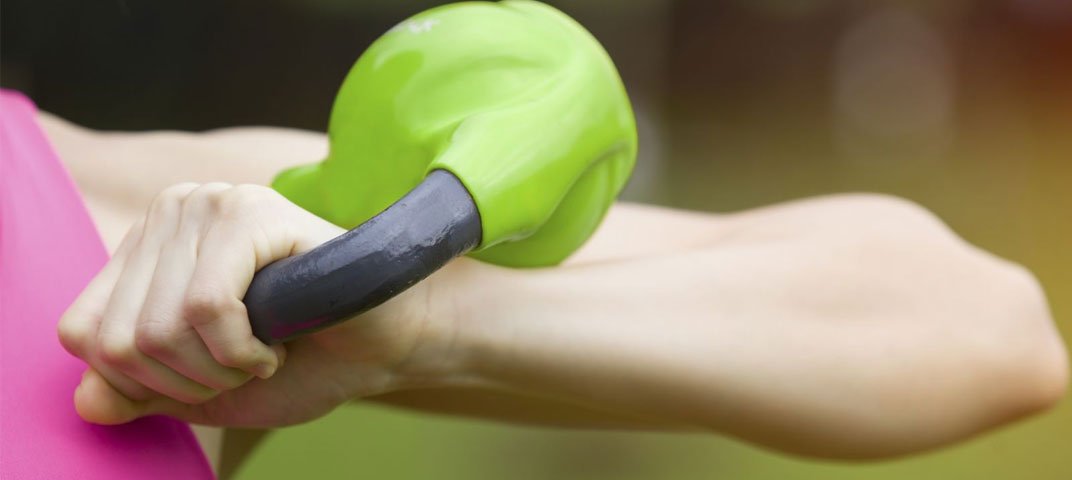
- Excessive Exercise – Tremendous physical stress can lead to menstrual lapses. Athletes, underweight people can experience irregular periods more often than others.
- Stress – One of the most common factors that leads to irregular periods is stress and anxiety disorder. Stress triggers hormonal imbalance which affects the menstrual clock.
- Polycystic Ovary – It is a condition where tiny cysts are formed on ovaries thus preventing regular ovulation. Polycystic Ovaries Syndrome (POS) can be diagnosed by ultrasound. Detection in early days is necessary as POS may lead to complications in childbirth and increase risk of diabetes and cardiac problems.
- Contraceptive Pills – Excess use of emergency birth control pills can cause irregular periods. It is better to opt for alternate birth control methods than using high steroids like I-Pills.
- Thyroid Disorders – High/low thyroid count can be a major reason for irregular periods.
- Age – Age is one of the main factors contributing to irregular periods. Young adults and women entering their menopause experience irregular periods more often than not.
Irregular periods can signal health complications.
Severe hormonal imbalance can lead to lack of ovulation during the menstrual cycle. The discrepancy may lead to irregular periods or excessive bleeding which may vary from month to month.
When are irregular periods okay?
Irregular periods are normal in adolescence when the body starts menstruating or during the menopause.
How to Address Irregular Periods
If you face an irregular menstrual cycle, it is better to check for any related health complications. While this may not be problematic (as in the case of onset of menstruation), if there are other co-existing factors like rashes, sensitivity in breasts, redness and swelling or concurrent pain, then you must see a doctor immediately.
Make sure as a woman you eat an iron rich diet during your period days. Supplementing with good nutrition and vitamins and iron is necessary to address the blood loss from the body. While on periods, avoid heavy exercise and physical strain. The body needs to recuperate from the loss of blood and stress of period – give it some healing time.
Taking precaution is not just restricted to taking rest and eating right. Medical tests once in a year can help detect POS and other complications in an early stage. A little more active care for the self can help in the long run. So, take care of yourself