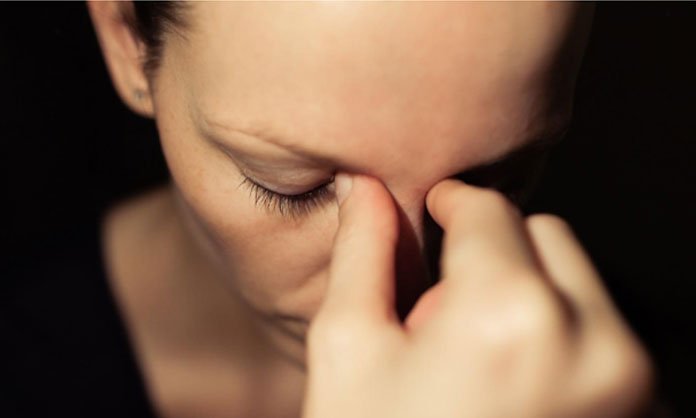
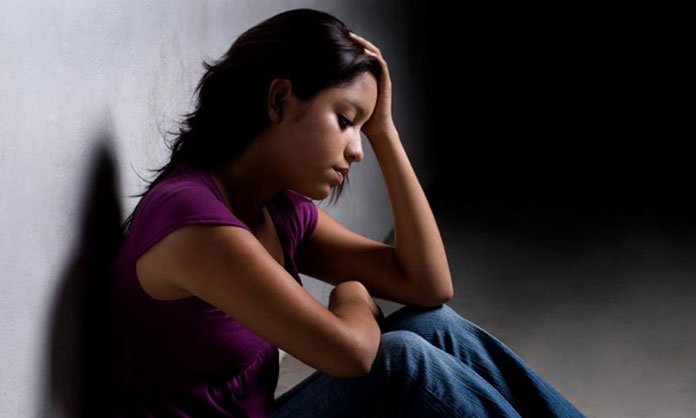
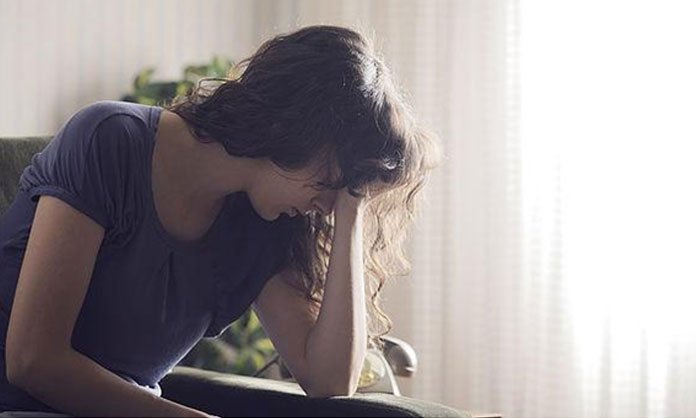
Depression is a serious and pervasive mood disorder that causes feelings of sadness, hopelessness, helplessness, and worthlessness.
Depression in Women
What is depression?
Depression can be mild to moderate with symptoms of apathy, little appetite, difficulty sleeping, low self-esteem, and low-grade fatigue. Or it can be more severe
Depression in Women
What is depression?
With the onset of puberty, a girl's risk of developing depression increases dramatically to twice that of boys.
Hormonal changes that occur throughout a woman's life- puberty, pregnancy, and menopause, as well as after giving birth or experiencing a miscarriage, PMS , work stress makes her vulnerable.
Depression in Women
Risk Factors of Depression in Women
Family history of mood disorders
Ongoing psychological and social stress, such as loss of a job, relationship stress, separation or divorce
Mania is a highly energized state with elevated mood that occurs in bipolar disorder. Mood swings- as in lows of depression to the highs of mania. Even though mania is an elevated mood, it needs medical attention.
Depression in Women
Mania as a form of depression in women
1. Abnormally elevated mood and Irritability
2. Decreased need for sleep, racing thoughts
3. Rapid talking, grandiose ideas
4. Increased energy, sexual appetite
Depression in Women
Major Types of Depressions in Women
PMS, Postpartum depression after delivery, Menopause, Seasonal affective disorder in the winter and Bipolar disorder
Depression in Women
Treating PMS Depression in Women
Many women who suffer with depression along with PMS find improvement through exercise or meditation. While for others with severe symptoms- medicine, individual or group psychotherapy, or stress management may help.
Depression in Women
Treating Postpartum Depression in Women
Mostly it can be treated using medicines and/or psychotherapy. In case, a woman is breastfeeding, the decision to take an antidepressant should be made with the baby's pediatrician along with woman’s own psychiatrist.
Depression in Women
Menopause Depression in Women
The drop in estrogen levels during perimenopause and menopause triggers physical and emotional changes -- such as depression or anxiety. Some physical changes include irregular or skipped periods, heavier or lighter periods, and hot flashes.
Depression in Women
Treating Depression in Women
There are a variety of methods used to treat depression in consultation with the Doctor , including medications such as antidepressants, brain stimulation techniques like ECT, and individual psychotherapy, etc.
Staying stress free and organised , eating healthy most helps.